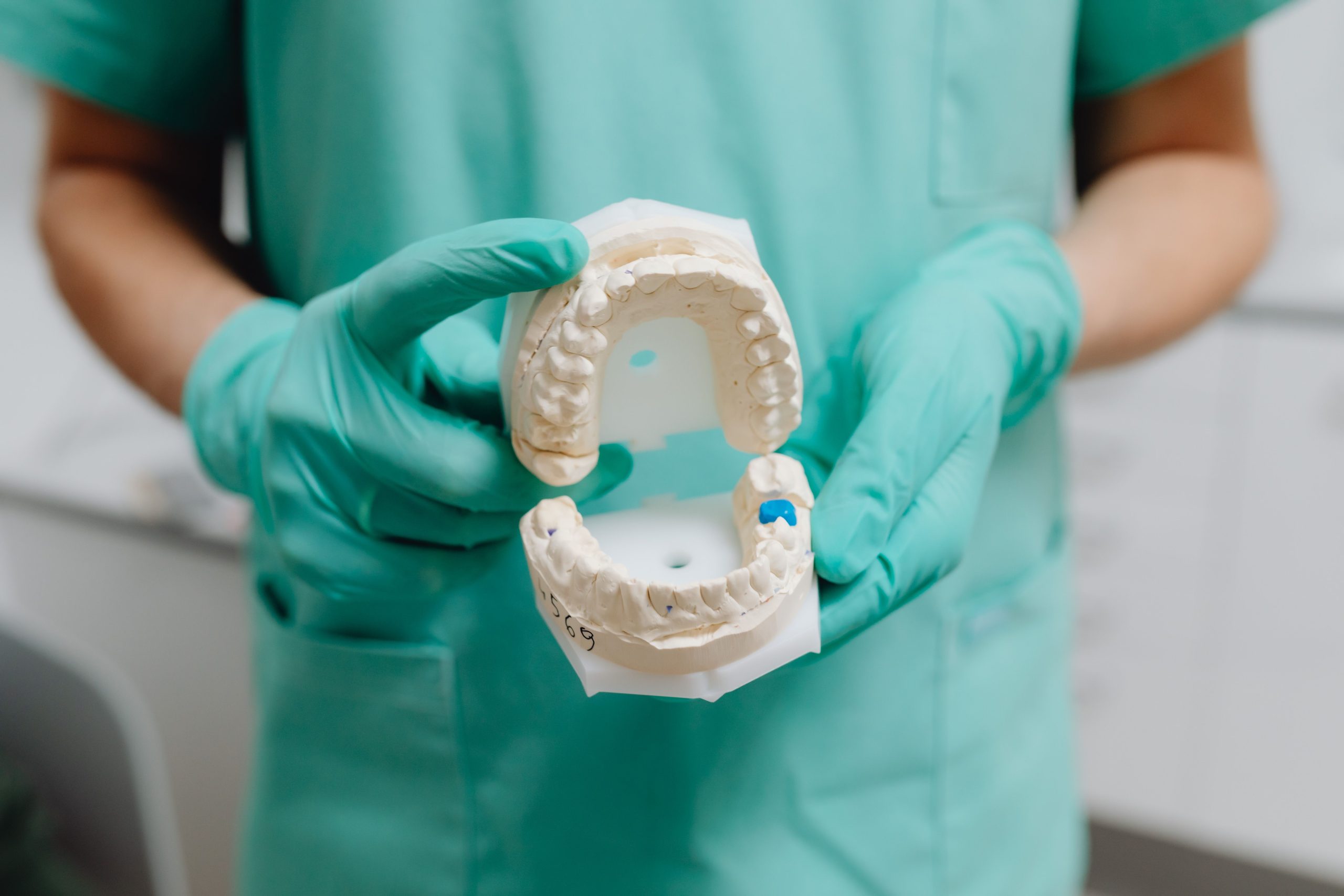

Dental treatment can feel stressful for people who experience dental anxiety or find it hard to sit comfortably during longer procedures. IV sedation helps patients feel calm and relaxed while receiving care. The medicine is given through a small tube placed into a vein, usually in the hand or arm, and a trained provider can adjust the level of sedation as needed. IV sedation in Victoria may be an option for people who need extra support to feel more comfortable during dental treatment.
IV sedation is not safe for everyone. It depends on your health, the medicines you take, and the dental treatment you need. A dentist can check whether it is right for you and explain any necessary safety steps.
What Is IV Sedation in Dentistry?
IV sedation means giving calming medicine directly into a vein. It can reduce anxiety and help make a dental visit feel less stressful. The medicine takes effect quickly, allowing the trained provider to adjust the level of sedation based on the patient’s response.
During treatment, local anaesthesia is often still used to numb the area being treated. IV sedation helps with relaxation, while local anaesthesia helps control pain.
IV sedation may be considered for:
- Patients with strong dental anxiety.
- Patients who need multiple treatments during a single visit.
- Patients who struggle to stay comfortable during dental care.
- Certain procedures may take more time.
A dentist in Victoria can review the treatment plan and explain whether IV sedation may be appropriate.
Is IV Sedation Safe?
IV sedation is generally considered safe when the patient is carefully assessed, the medicine is given by a properly trained provider, and vital signs are monitored throughout the procedure. However, no form of sedation is completely risk-free.
Possible side effects include:
- Feeling sleepy or dizzy.
- Feeling sick or vomiting.
- Feeling confused or less alert for a short time.
- Changes in breathing, heart rate, or blood pressure.
Serious problems are rare but can happen, especially in people with certain health conditions or when medicines affect breathing. Before treatment, tell your dental team about your health problems, allergies, all medicines, and supplements you take.
Monitoring may include breathing, oxygen levels, heart rate, and blood pressure. Emergency equipment and trained staff should be available to respond if a problem develops.
What Happens Before, During, and After IV Sedation?
Knowing what to expect can help make the process less worrying.
Before treatment
- Review your medical history and current medicines.
- Follow the instructions about when to stop eating and drinking.
- Arrange for a responsible adult to take you home.
- Ask questions about the sedation plan and possible side effects.
During treatment
- A small tube is placed into a vein.
- The medicine is given through the tube.
- The team monitors your vital signs and response to the medicine.
- Local anaesthesia may be used to numb the treatment area.
After treatment
You may feel sleepy, unsteady, or less alert for several hours. Follow the discharge instructions and have a responsible adult accompany you home. Do not drive, operate machinery, drink alcohol, or make important decisions for the period advised by the care team, often until the next day.
For IV sedation near you, ask about the preparation steps, recovery arrangements, and support needed after the appointment.
Who May Be a Good Candidate for IV Sedation?
IV sedation may suit adults who experience significant dental anxiety or need treatment that is difficult to manage while fully alert. However, suitability depends on more than anxiety alone.
Extra care may be needed for people with:
- Breathing problems, sleep apnoea, or certain heart conditions.
- Allergies or past reactions to sedation medicines.
- Pregnancy or other health concerns that affect medicine choices.
- Medicines or substances that may interact with sedatives.
A dentist near you can review these factors and explain whether another approach may be safer. Never stop taking prescribed medicine unless the treating provider tells you to do so.
Make Your Dental Care Feel More Manageable!
Dental treatment can feel less stressful when you understand your options and know what to expect before your appointment. Learning about sedation, the safety checks involved, and the recovery process can help you feel more prepared to make decisions about your care. Contact Eagle Creek Village Dental Centre to book a consultation, discuss your concerns, and learn whether IV sedation may suit your needs. Get clear answers about preparation, monitoring, and aftercare so you can approach your dental visit with greater comfort and peace of mind.
FAQs
What is IV sedation in dentistry?
IV sedation uses medicine delivered through a vein to help a patient relax during dental treatment. The level of sedation depends on the medicine and the patient’s response. Local anaesthesia is often used as well to control pain.
Is IV sedation safe?
IV sedation is generally safe when given by trained staff who monitor you closely. Side effects can happen, and the risks depend on your health and medicines. Tell your dental team about your medical history to help keep you safe.
Will I be asleep during IV sedation?
With common forms of IV conscious sedation, you are usually very relaxed and may feel drowsy, but you are not intended to be fully unconscious. You may respond to instructions and may remember little of the treatment. The exact experience depends on the type and depth of sedation used.
Who is a good candidate for IV sedation?
It may be suitable for people with strong dental anxiety, difficulty tolerating treatment, or a need for longer procedures. A medical and dental review is needed to check whether it is appropriate.