
Oral Surgery in Victoria, BC
Oral Surgery Near You
Some dental problems cannot be solved with a filling, crown, or routine cleaning. When a tooth is badly damaged, infected, impacted, or causing pressure in the mouth, a more involved procedure may be the right next step. At Eagle Creek Village Dental, we provide oral surgery in Victoria, BC, to treat problems that affect the teeth, gums, and surrounding bone when simpler treatment is not enough. We aim to make the process clear, well planned, and easier to manage from the first visit to the final follow-up.
Oral surgery includes procedures that treat issues inside the mouth. That may include removing a tooth, managing an impacted tooth, treating an infection, or preparing the mouth for future treatment. If you are looking for oral surgery near you, it helps to understand why a procedure is recommended, what the steps involve, and how recovery is managed afterward.

What Is Oral Surgery?
Oral surgery refers to surgical treatment involving the teeth, gums, jawbone, and surrounding oral structures. In general dentistry, this often includes procedures such as tooth extractions and other minor surgical treatments inside the mouth.
We may recommend oral surgery when a tooth cannot be restored safely, when infection has affected the area around a tooth, or when a tooth is trapped under the gums or bone and is causing problems. In some cases, oral surgery is also part of a broader treatment plan. For example, we may need to remove a damaged tooth before replacing it with another restoration later.
Our dentist in Victoria, BC, examines the area carefully to determine whether surgical treatment is the right option and whether it should be done now or after other steps have been taken.
When We May Recommend Oral Surgery
At our dental clinic in Victoria, BC, we recommend treatment based on the condition of the tooth or area involved, your symptoms, your dental history, and what we find during the exam and imaging. Not every dental problem requires surgery, but some situations do.
We may suggest oral surgery when you have:
A severely damaged tooth
If a tooth is too broken down to restore, removing it may be the safer option.
A tooth with advanced infection
An infection that cannot be managed with other treatments may require extraction or surgical care.
An impacted tooth
A tooth that does not erupt properly can cause pain, swelling, crowding, or pressure on nearby teeth.
A retained root
If part of a tooth remains under the gum after breakage, surgical removal may be needed.
Pain linked to wisdom teeth
Wisdom teeth can cause crowding, swelling, gum irritation, or repeated infection.
Preparation for future treatment
We may need to remove a problem tooth before planning other restorative care.
We do not take a one-size-fits-all approach to oral surgery. We assess the area carefully, review your symptoms and history, and explain what we find before recommending treatment.
How Oral Surgery Works at Our Clinic
Surgical care works best when patients know what to expect. We want you to understand the reason for the procedure, how we plan it, and what recovery may involve afterward. We take the following steps during a typical appointment for oral surgery in Victoria, BC:
We review your history and examine the area
We begin by discussing your symptoms, medical history, dental history, and any recent changes in your health. Then we examine your tooth, gums, and surrounding tissues to understand what is happening and whether surgery is the right next step.
We take digital X-rays when needed
When imaging is needed, we use digital X-rays to look at the roots, surrounding bone, and position of the tooth below the surface. This helps us plan treatment more accurately. Our digital X-rays use up to 90% less radiation than traditional film X-rays.
We prepare you for the procedure
Before treatment begins, we explain the procedure, discuss what you may feel during and after it, and answer your questions. We make sure you are prepared and comfortable before we start.
We perform the surgical treatment
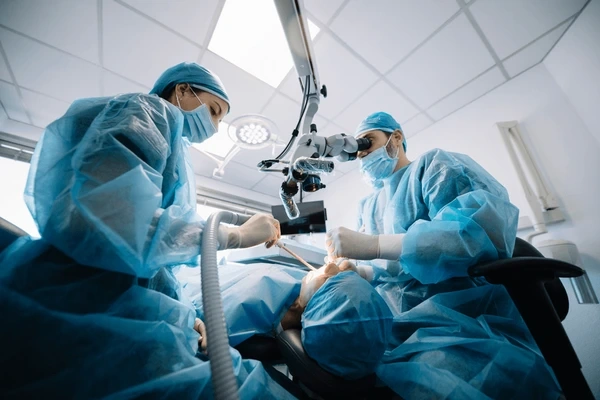
Once the area is numb, we carry out the planned procedure carefully. Depending on the case, this may involve removing a tooth, accessing an impacted tooth, or treating a problem area beneath the gums.
We give aftercare instructions and follow-up support
After the procedure, we explain how to care for the area, what to avoid, and what signs to watch for as you heal. We also keep track of your recovery and check the area when needed.
Why Follow-Up Care Matters After Oral Surgery
Surgical treatment does not end when the procedure is over. Healing, comfort, and long-term results all depend on good aftercare and regular follow-up. We continue checking the area to make sure healing is moving in the right direction and that there are no signs of delayed recovery or ongoing infection.
We also help patients understand how to manage the first days after surgery. That includes keeping the area clean, protecting the blood clot when needed, and avoiding habits that could slow healing. This is one reason we provide oral surgery near you as part of ongoing care rather than as an isolated procedure.
Why Patients Choose Our Clinic for Oral Surgery
When surgery is needed, people want clear information, careful planning, and a team that does not rush the process. The procedure is important, but so is how the team prepares you, explains everything, and supports your healing afterward. This is why choosing the right dental clinic near you is important.
Our patients choose us for oral surgery in Victoria, BC, for the following reasons:
Local ownership
We are a locally owned practice with strong ties to the community.
Helpful team members
Our team is professional, kind, and known for a gentle bedside manner.
Family-friendly care
We can often see children and adults during the same visit, which helps families manage appointments more easily.
Prepared and personalized treatment
We review and discuss your history, make sure you are prepared, and tailor care to your needs.
Ongoing investment in newer technology
We continue investing in updated tools that support accurate diagnosis and treatment planning.
Convenient access
Our clinic offers easy parking and a convenient location.
Saturday availability
We are open by appointment on select Saturdays for patients who need more flexibility.
Community involvement
We do community outreach and proudly sponsor local kids’ soccer teams.
As a patient here, you do not need to keep searching for a reliable dentist near you when a tooth problem becomes too serious for routine treatment.
Get the Right Care for More Complex Dental Problems
Some dental issues need more than routine care. When surgery is the right next step, it helps to have a team that explains the process clearly and follows your care from diagnosis through healing. At Eagle Creek Village Dental, we provide oral surgery near you with a careful, patient-centred approach that focuses on comfort, planning, and recovery.
Call us today at (778)265-6033 or visit us at 31 Helmcken Rd #130, Victoria, BC V8Z 5G5, Canada to book your next appointment and discuss your care with our team.
FAQs
What does oral surgery include?
Oral surgery can include tooth extractions, treatment for impacted teeth, removal of retained roots, and other minor surgical procedures involving the teeth, gums, or surrounding bone.
How do I know if I need oral surgery?
You may need oral surgery if a tooth is severely damaged, an impacted tooth is causing problems, or infection or pain cannot be managed with simpler treatment. We examine the area and use imaging when needed before making a recommendation.
Does oral surgery hurt?
We numb the area before treatment, so the procedure itself should feel manageable. You may have soreness afterward, but we explain how to care for the area and what to expect during recovery.
How long does it take to recover from oral surgery?
How long it takes to recover depends on the type of procedure and your situation. Some people heal quickly after a simple extraction, while others may need more time if the surgery is more complex.
What should I do after oral surgery?
Follow the aftercare instructions we give you closely. In general, that may include protecting the area, keeping it clean, avoiding certain foods, and watching for signs that healing is not going as expected.